This post may contain affiliate links. Please read my disclosure policy for more details.
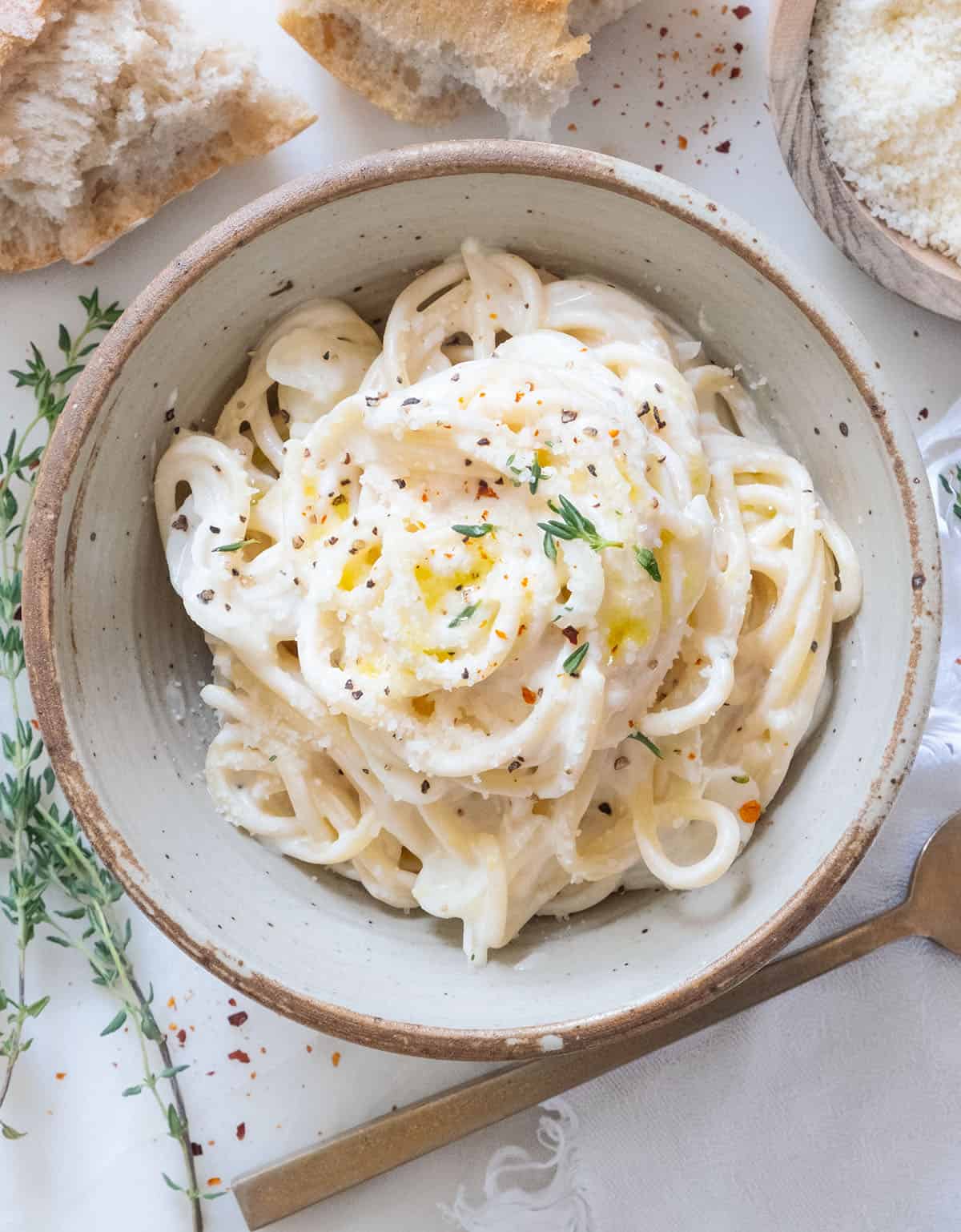
This goat cheese pasta recipe is a flavorful, versatile, and creamy pasta that’s quick and easy to make.
A simple, comforting meal the whole family will love.
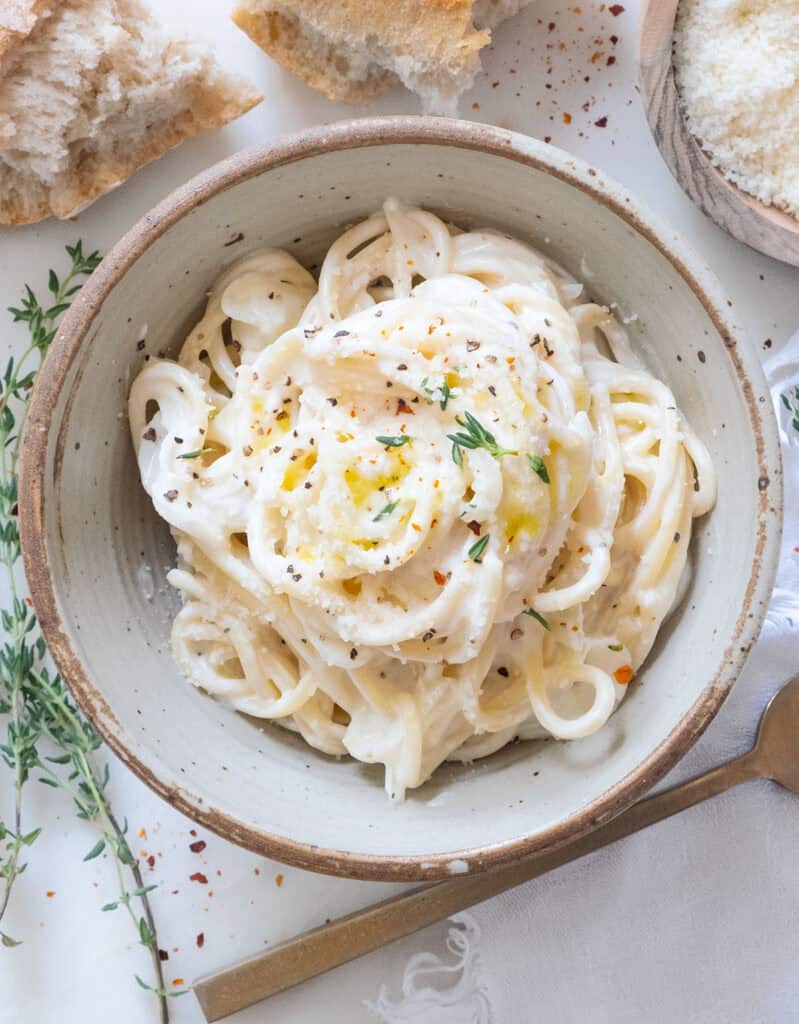
My cream cheese pasta and lemon ricotta pasta got hundreds of rave reviews, so I was inspired to create a similar flavor and texture profile by making a quick pasta sauce with soft, oh-so-delicious goat cheese. Ready?
Join my newsletter for free weekly recipes!
The recipe this time starts with a simple base made with olive oil and plenty of onions, which add flavor and texture and work so well with the tangy cheese.
Then we toss in starchy pasta water, goat cheese, parmesan, lemon zest, and seasoning. Simple ingredients that can create a smooth, tasty, creamy sauce, absolutely perfect for coating your pasta.
And here it is: an ultra-delicious goat cheese pasta that tastes great on busy weeknights, yet it’s still elegant and easy to customize with your favorite add-ins for a dinner party.
This pasta with goat cheese is truly one of those budget-friendly and fuss-free pasta recipes you’ll go back to again and again. Here’s everything you need to make it!
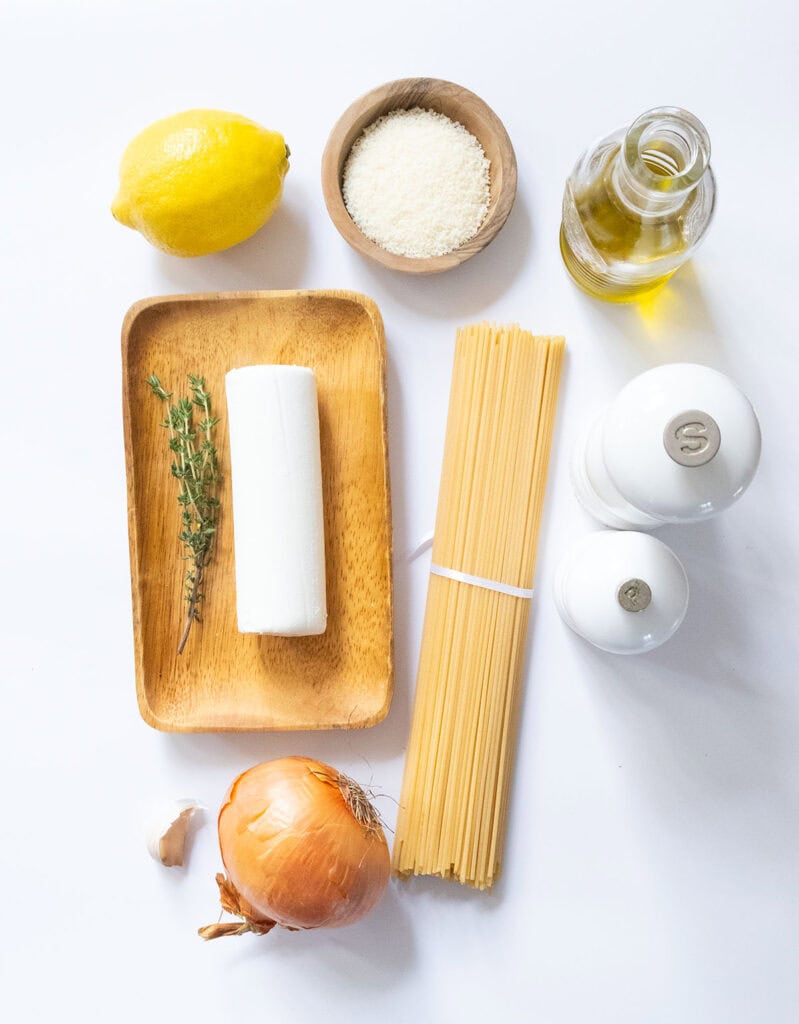
List of ingredients
- Pasta
- Goat cheese
- Parmesan cheese
- Olive oil
- Garlic & onion
- Lemon zest
- Thyme
- Salt & pepper
How to make goat cheese pasta
(Note: this is a quick description; the full recipe is at the bottom of the page)
- While the pasta is cooking, sauté onion and thyme until soft.
- After 5 minutes, stir in the garlic.
- Add the goat cheese, parmesan cheese, and lemon zest.
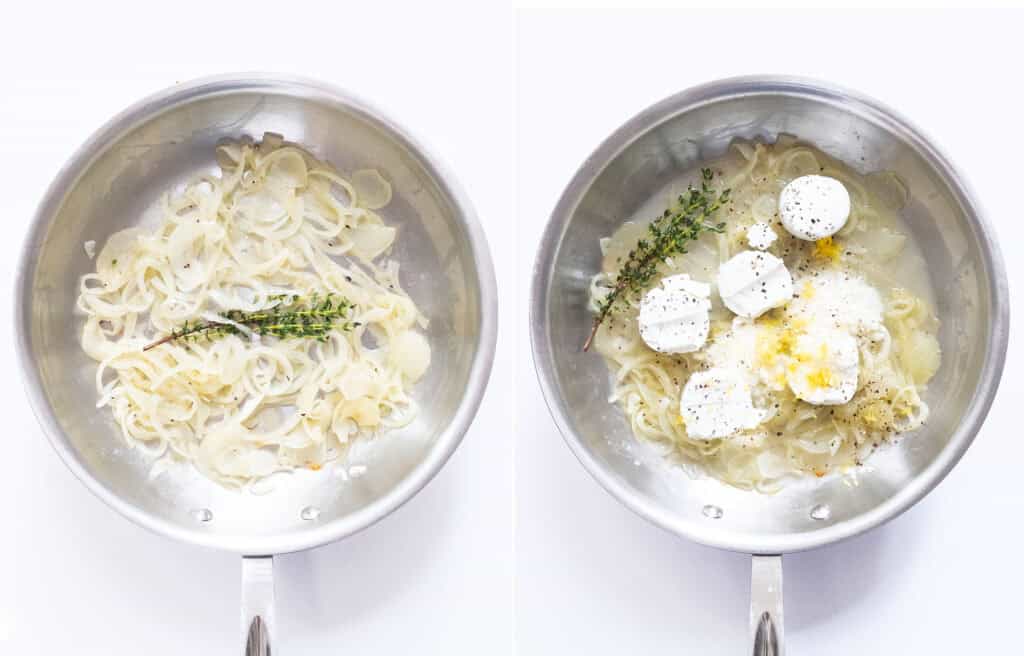
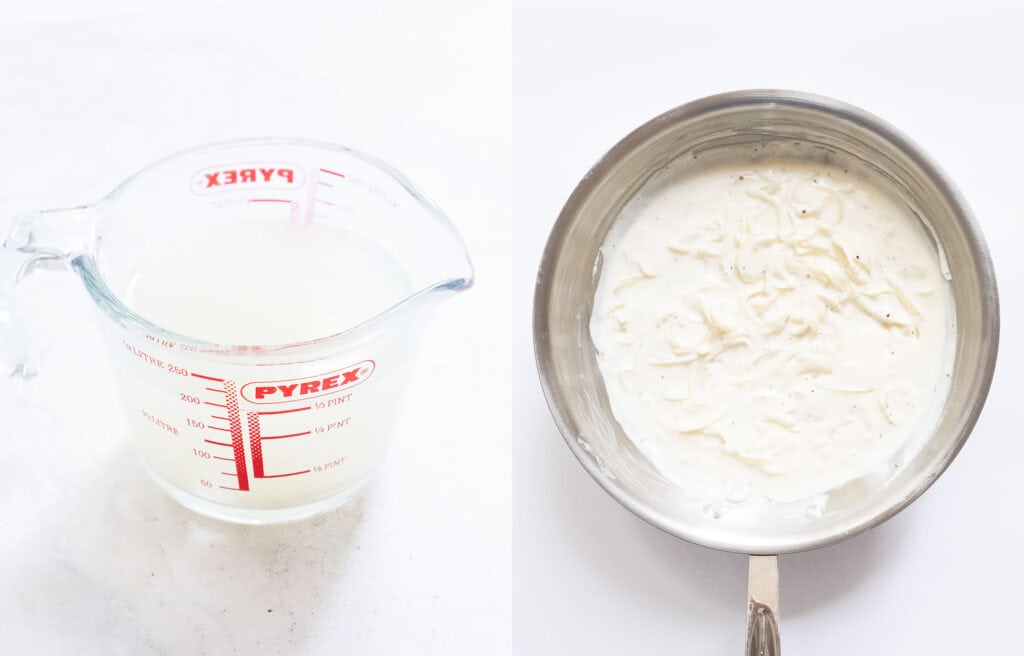
- Add the reserved pasta water, stir until smooth, and season to taste.
- Toss the drained pasta into the goat cheese pasta sauce until well combined.
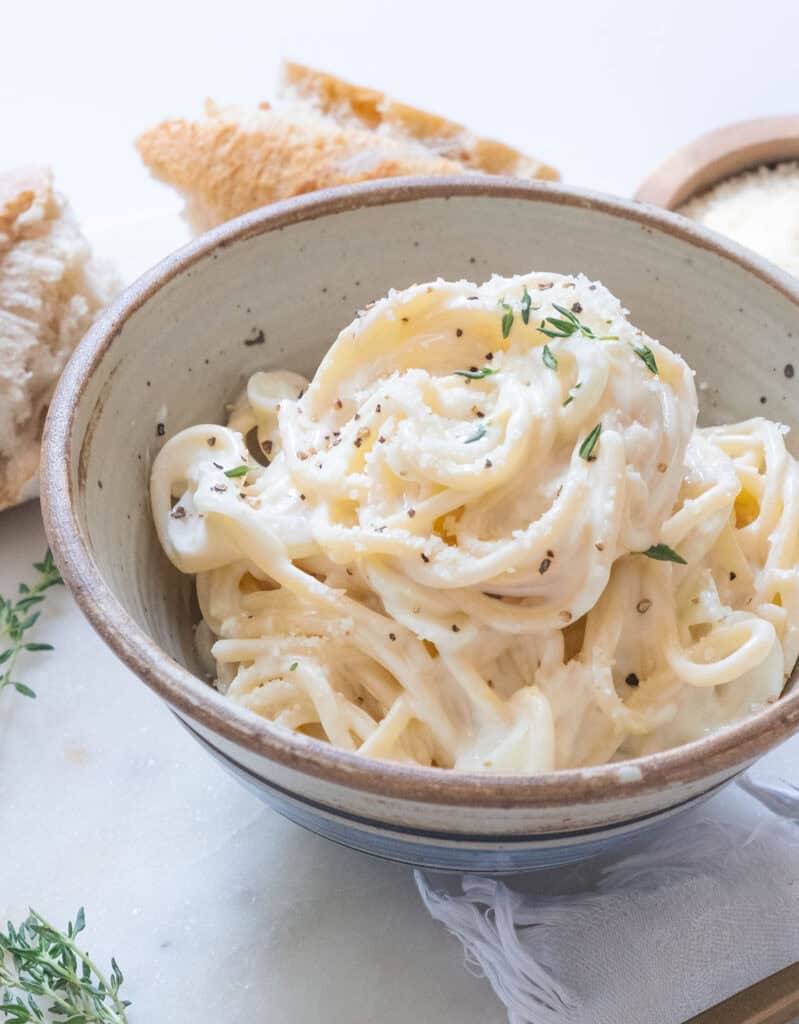
- Divide into bowls, sprinkle with more black pepper and grated parmesan cheese, and serve. Yum!
Recipe notes
Goat cheese pasta ingredients
Pasta: Good-quality spaghetti, fettuccine, or bucatini feels fancy here, but any favorite short-shape pasta (penne, fusilli, shells…) will do.
Goat cheese: I use a soft goat cheese log which is made with goat milk rather than cow’s milk. It has a lovely, mild tang, is widely available, and is often called chèvre. The texture is pretty crumbly, not smooth, but it melts beautifully.
Parmesan cheese: It adds a savory, nutty flavor, and I do think it’s an essential ingredient in cheese-based pasta sauce.
Olive oil: To sauté the onions and add flavor; you can use the same amount of butter instead of oil, if you wish.
Onion & garlic: Onion and goat cheese are a classic flavor pairing, where the tanginess of the cheese complements the soft, sweet onions. And any color is fine. The garlic is added for extra flavor, but it’s not too much.
Thyme: Another herb that works very well in the recipe, but you can also use basil a handful of leaves, another delicious aroma, or about 1/4 teaspoon of dried thyme or Italian herb seasoning.
Lemon zest: It’s fresh and bright, balancing the cheese’s richness. Don’t skip it.
Seasoning: Season to taste, and be generous with black pepper.
Add-ins and recipe Variations
Because this goat cheese pasta recipe is quite simple, it’s also great to customize to your own taste. Here are a few ideas:
- Add your veggies! Goat cheese tastes delicious when it’s paired with sautéed spinach, fresh or sun-dried tomatoes, arugula, roasted or grilled peppers, or zucchini.
- Make it crunchy: Toasted walnuts, hazelnuts, and pecans add a delicious, nutty, earthy texture and make the dish pretty fancy, too.
- Choose your protein: Grilled salmon, white fish fillet, and grilled chicken make a great combination for this goat cheese pasta.
Storage tips
Goat cheese pasta leftovers keep well covered in the fridge for about 3-4 days. To reheat, use a microwave-safe dish with a splash of milk or water. You can also reheat on the stovetop using some milk or water.
More quick and creamy pasta recipes?
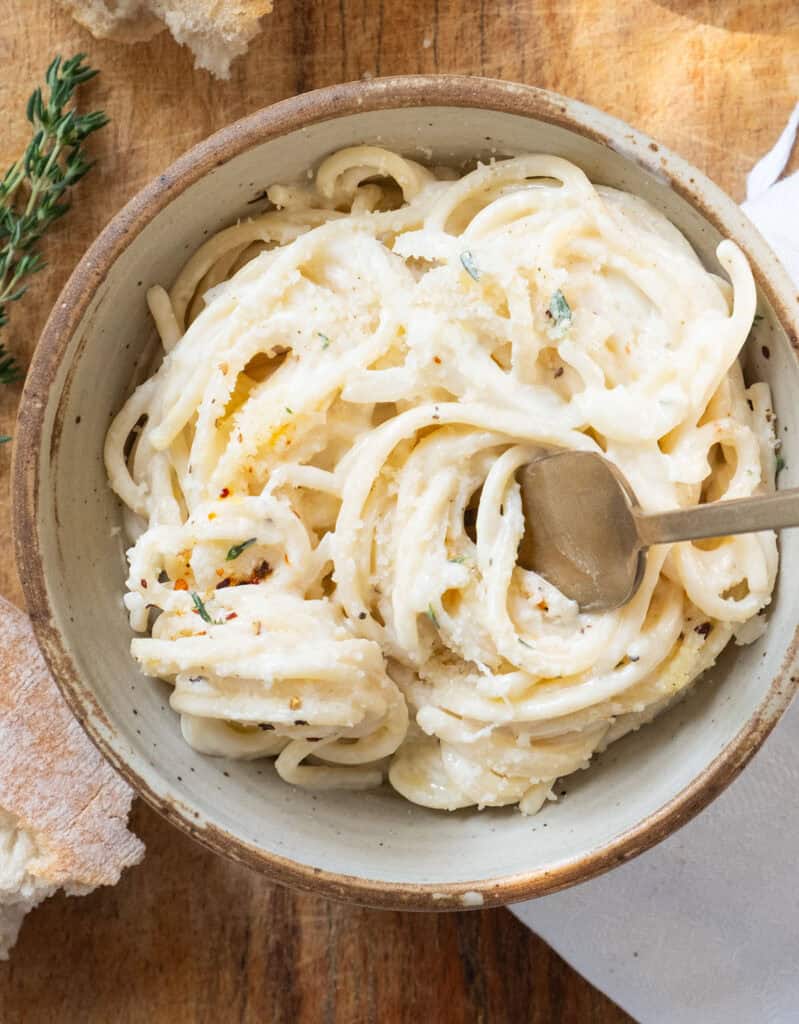
If you love delicious and indulgent bowls of creamy pasta, I’ve got you covered with these quick and easy recipes:
Lastly, I hope you’ll love this goat cheese pasta. If you have any questions, let me know! Leave a comment, send me a message, or rate it. I would love to hear from you!
For more recipe updates, subscribe to my newsletter and follow me on Instagram, Pinterest, and Facebook.
Goat Cheese Pasta
Servings: 2
Calories: 300kcal
Pasta
- 6oz (170 grams) Spaghetti (or your favorite pasta shapes)
Lemon Garlic Sauce
- 1 tablespoon extra virgin olive oil or butter
- 5 oz (140 grams) onion, sliced
- 1 garlic clove, minced
- 2 thyme sprigs
- 4oz (120 grams) soft goat cheese
- ½ lemon zest
- 3 tablespoons grated parmesan cheese, plus more for serving
- ½ cup (120 ml) pasta cooking water
- salt & pepper, to taste
Goat cheese sauce
-
As soon as you drop the pasta into the pot of boiling water, start making the sauce by heating the olive oil in a pan over medium heat. Add the onions, a generous pinch of salt and black pepper, the thyme, and cook gently for about 5 minutes, or until the onions are soft. You can add a bit more olive oil or a touch of pasta water if they need moisture to cook longer.
-
Meanwhile, scoop out 1 cup of cooking pasta water from the pasta pot and set aside.
-
Next, add the goat cheese, lemon zest, and Parmesan to the onions, and toss in only 1/2 cup of the reserved pasta water. Stir until emulsified and smooth. Taste and adjust the seasoning to your liking if needed. Turn the heat off.
-
Now, your pasta should be ready and al dente. Drain it and add it to the pan, tossing until well combined and juicy. If needed, add an extra touch of the reserved pasta water.
-
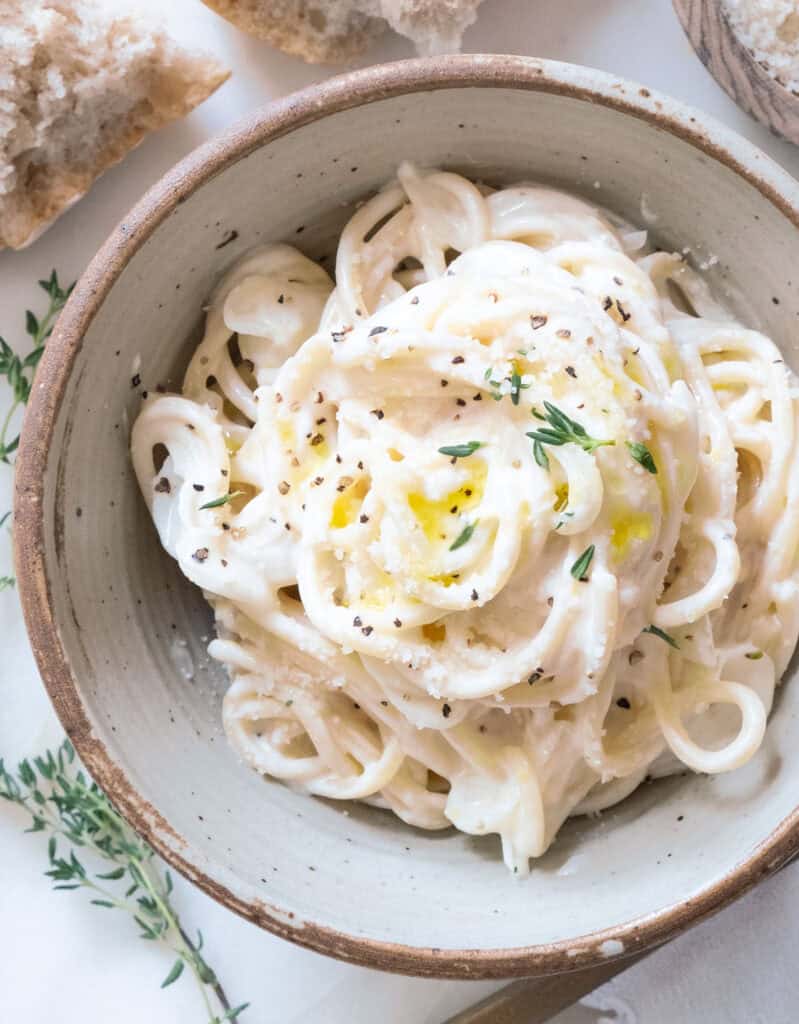
Serve with a drizzle of extra-virgin olive oil, freshly grated Parmesan cheese, and plenty of black pepper. Enjoy!
Calories: 300kcal | Carbohydrates: 36g | Protein: 13g | Fat: 12g | Saturated Fat: 6g | Polyunsaturated Fat: 1g | Monounsaturated Fat: 4g | Cholesterol: 17mg | Sodium: 665mg | Potassium: 168mg | Fiber: 2g | Sugar: 3g | Vitamin A: 367IU | Vitamin C: 5mg | Calcium: 97mg | Iron: 1mg
Join my newsletter for free weekly recipes!
PakarPBN
A Private Blog Network (PBN) is a collection of websites that are controlled by a single individual or organization and used primarily to build backlinks to a “money site” in order to influence its ranking in search engines such as Google. The core idea behind a PBN is based on the importance of backlinks in Google’s ranking algorithm. Since Google views backlinks as signals of authority and trust, some website owners attempt to artificially create these signals through a controlled network of sites.
In a typical PBN setup, the owner acquires expired or aged domains that already have existing authority, backlinks, and history. These domains are rebuilt with new content and hosted separately, often using different IP addresses, hosting providers, themes, and ownership details to make them appear unrelated. Within the content published on these sites, links are strategically placed that point to the main website the owner wants to rank higher. By doing this, the owner attempts to pass link equity (also known as “link juice”) from the PBN sites to the target website.
The purpose of a PBN is to give the impression that the target website is naturally earning links from multiple independent sources. If done effectively, this can temporarily improve keyword rankings, increase organic visibility, and drive more traffic from search results.
Streaming Film
Nonton Film gratis
Jasa Backlink
Download Anime Batch